
Crystal Clear Vision: Optimize Your Eye Health with Nutrients
Discover the essential nutrients that support visual wellness and learn how proper nutrition strengthens your eyes from the inside out.
The information on this site is for educational purposes only and does not constitute medical advice. Always consult a qualified healthcare professional before making health decisions.
Eye Health Impact
Vision problems can be slowed with proper nutrition
Key nutrients essential for eye wellness
Years of research on eye nutrition
Daily commitment to eye health through diet
Why Nutrients Matter for Vision
Your eyes are complex organs that require specific nutrients to function optimally. The retina, lens, and cornea all depend on vitamins, minerals, and antioxidants to maintain clarity and protect against environmental stress. Lutein, zeaxanthin, vitamin C, vitamin E, zinc, and omega-3 fatty acids work synergistically to support visual wellness.
Nutritional support for eye health is particularly important in our modern world, where digital screens and environmental pollutants place constant demands on our visual system. By understanding which nutrients matter most and how to incorporate them into your daily diet, you can actively support your eyes' long-term wellness.
The Vlexis approach focuses on evidence-based nutritional information to help you make informed choices about what you eat and how those choices impact your vision and overall eye comfort.
Explore Nutrients Guide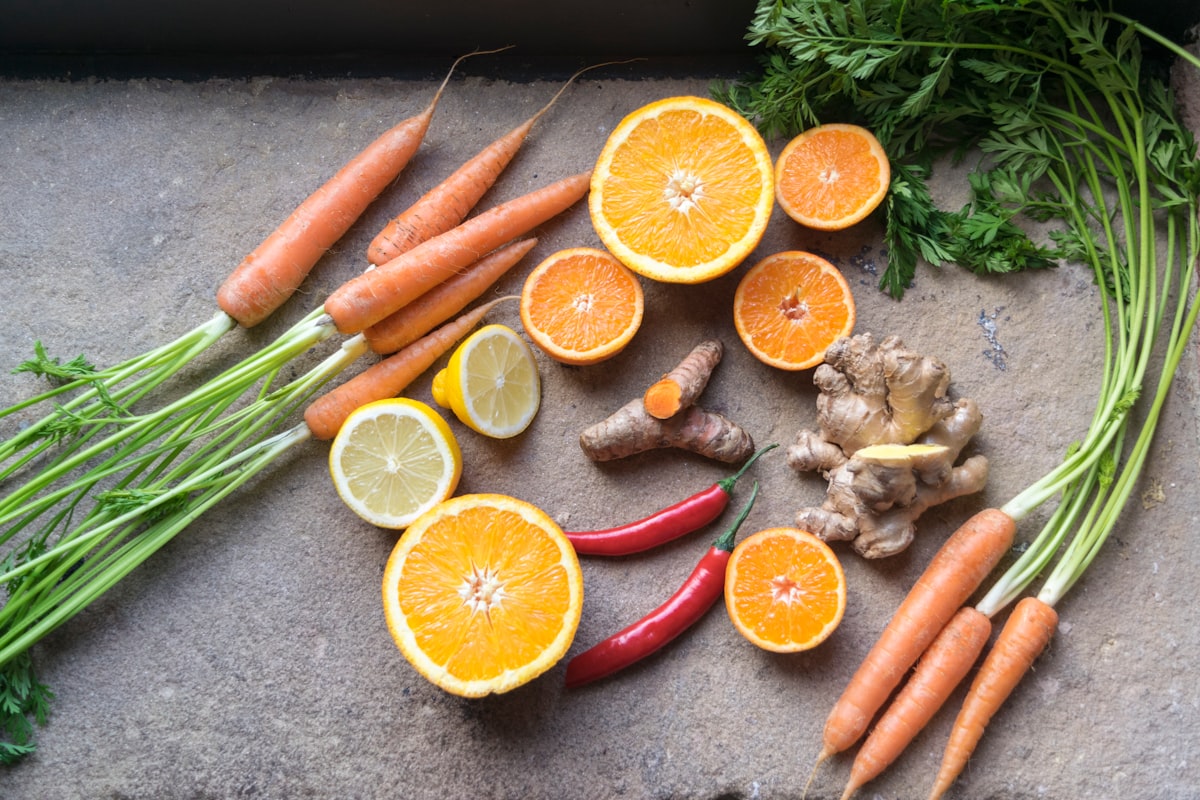
Top 6 Essential Eye Nutrients
Lutein
A carotenoid antioxidant found in leafy greens that accumulates in the macula and protects against blue light exposure. Lutein supports visual contrast and reduces glare sensitivity.
Zeaxanthin
Works synergistically with lutein as a macular pigment. This xanthophyll supports the density of protective pigmentation in the eye's central vision area.
Vitamin C
A powerful antioxidant that protects the lens and retina from oxidative stress. Vitamin C is found in citrus fruits, berries, and peppers.
Vitamin E
A fat-soluble antioxidant that works at the cellular membrane level to protect eye tissues from free radical damage. Nuts and seeds are excellent sources.
Zinc
An essential mineral involved in the production of visual pigments in the retina. Zinc supports night vision and helps transport vitamin A to the eye.
Omega-3 Fatty Acids
Important for retinal structure and function. Found in fatty fish and flaxseeds, omega-3s support the health of photoreceptor cells.
Nutrient-Rich Foods Showcase
Dark Leafy Greens
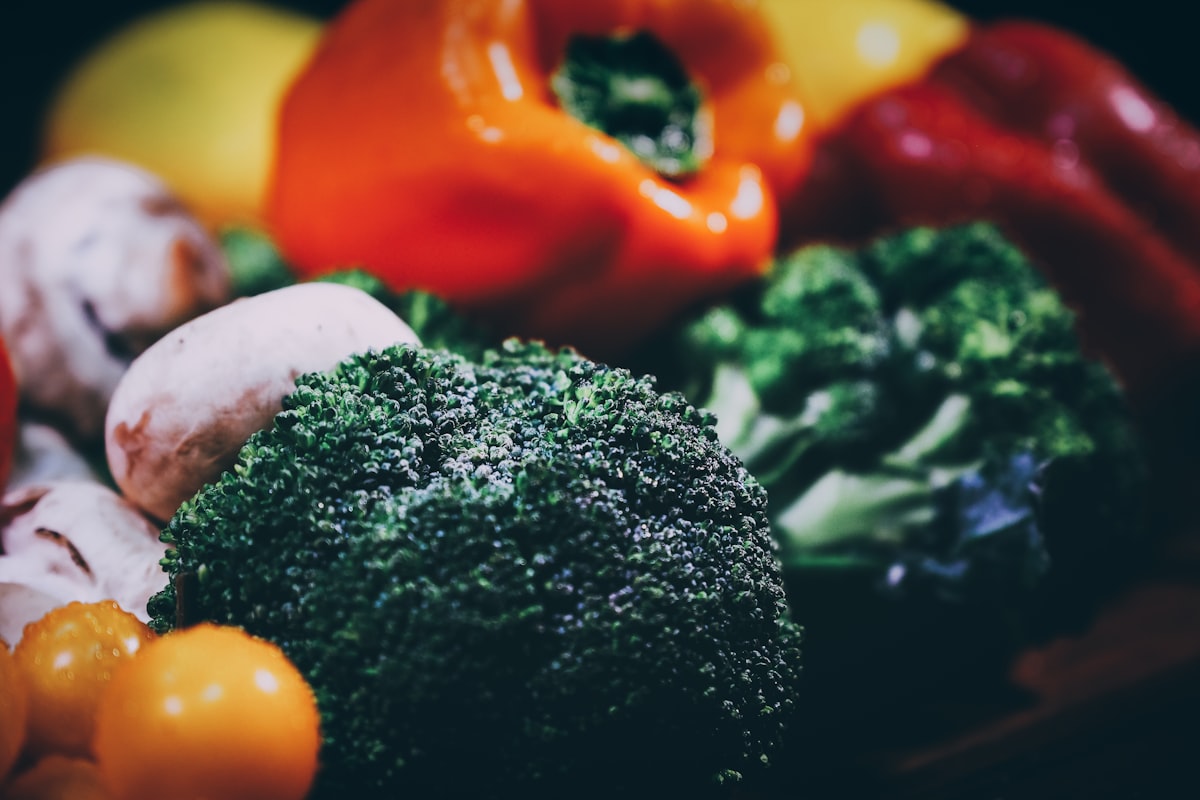
Spinach, kale, and collard greens are among the richest sources of lutein and zeaxanthin. These nutrients concentrate in the macula and form a protective shield against oxidative stress. Include a serving daily for optimal benefit.

Colorful Berries
Blueberries, blackberries, and strawberries contain anthocyanins and vitamin C. These antioxidants support retinal health and protect against blue light exposure. Fresh or frozen varieties retain their nutritional value.

Fatty Fish & Seafood
Salmon, mackerel, and sardines provide omega-3 fatty acids essential for retinal structure. These fish also contain zinc and vitamin D, supporting multiple aspects of eye wellness. Aim for two to three servings weekly.

Nuts & Seeds
Almonds, sunflower seeds, and walnuts deliver vitamin E, zinc, and omega-3s. A small handful daily provides concentrated nutritional support. These foods are convenient for snacking while nourishing your eyes.
How to Integrate Eye Nutrients Into Your Diet
Assess Your Current Diet
Take time to evaluate which eye nutrients you're already consuming regularly. Most people benefit from expanding their intake of leafy greens, colorful vegetables, and fatty fish. Understanding your baseline helps you make targeted improvements.
Add One New Food Weekly
Rather than overhauling your entire diet at once, introduce one new eye-supporting food each week. Start with something simple like adding spinach to your morning smoothie or including salmon in Wednesday dinner. This gradual approach creates sustainable habits.
Plan Diverse Meals
Create meal plans that include variety across all nutrient categories. Balance your plate with dark greens, colorful vegetables, lean proteins including fish, and healthy fats. Diverse eating patterns naturally provide the full spectrum of eye-supporting nutrients.
Track Your Progress
Monitor your dietary changes and note any improvements in visual comfort, contrast sensitivity, or reduced eye strain. Keep a simple food diary for two weeks to establish baseline awareness. Over weeks and months, consistent nutritional support contributes to sustained eye wellness.
Common Questions About Eye Nutrition
How long does it take to see benefits from dietary changes?
Most people experience improved visual comfort within 2-4 weeks of consistent dietary improvements. However, deeper changes to eye structure and function develop over months and years. Long-term commitment to eye nutrition provides the most substantial benefits for sustained visual wellness.
Can nutrition alone improve vision?
Nutrition provides essential support for eye function and wellness. Combined with proper eye care, appropriate lighting, regular breaks from screens, and protective eyewear, a nutrient-rich diet contributes significantly to overall eye health. This comprehensive approach yields the best results.
What if I don't like certain foods mentioned?
The diversity of nutrient sources allows for substitution based on personal preferences. If you dislike spinach, try kale or other leafy greens. Don't enjoy fish? Consider plant-based omega-3 sources like flaxseeds or walnuts. Working with what you enjoy makes dietary improvements sustainable.
Are supplements necessary or is food enough?
A well-planned diet provides adequate nutrients for most people. However, some individuals benefit from supplementation due to dietary restrictions, specific deficiencies, or increased needs. Before starting any supplements, review our detailed guides or consult relevant nutritional resources to understand your particular situation.
How do I measure if nutrition is helping my eyes?
Track subjective improvements like reduced eye strain, clearer vision, better contrast sensitivity, or less sensitivity to glare. Note any changes in how your eyes feel at end of day or after screen time. Regular vision assessments by appropriate professionals provide objective measurements of long-term changes.
Is this nutrition approach suitable for everyone?
The eye nutrients we discuss are universally beneficial for visual wellness. However, individuals with specific dietary restrictions, allergies, or medical considerations should adapt recommendations to their situation. Our resource guides provide detailed information to help you personalize your nutritional approach.
What Users Are Learning
"I never realized how much my diet affected my eyes. Since adding more leafy greens and fatty fish, my eye strain from computer work has decreased noticeably. The Vlexis guides made it simple to understand which nutrients matter and where to find them."
Sarah Chen
Jakarta
"As someone who spends eight hours daily at a screen, I was skeptical about nutrition making a difference. Following the recommendations here, I feel my visual comfort has improved during my workday. This is practical, science-based advice."
Budi Santoso
Surabaya
"I appreciate how detailed yet accessible these articles are. They explain the science without being overwhelming, and the food examples are things I actually eat. My vision has felt sharper, and I feel confident about my nutritional choices."
Dewi Kusuma
Bandung
Start Your Eye Health Journey Today
Explore our comprehensive guides on nutrients, dietary integration, and eye wellness. Learn from detailed articles backed by current research and practical recommendations.